April 8, 2014

Mill Creek Elementary School Zoning Proposal

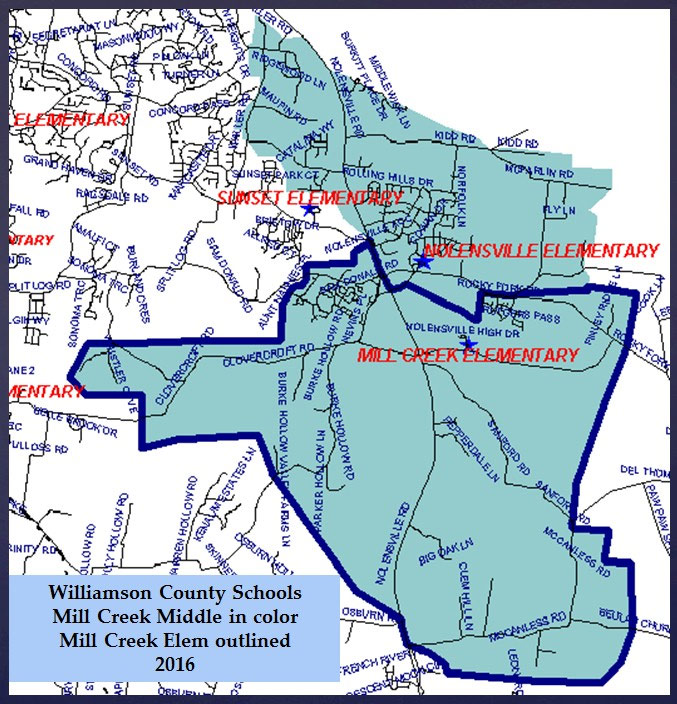
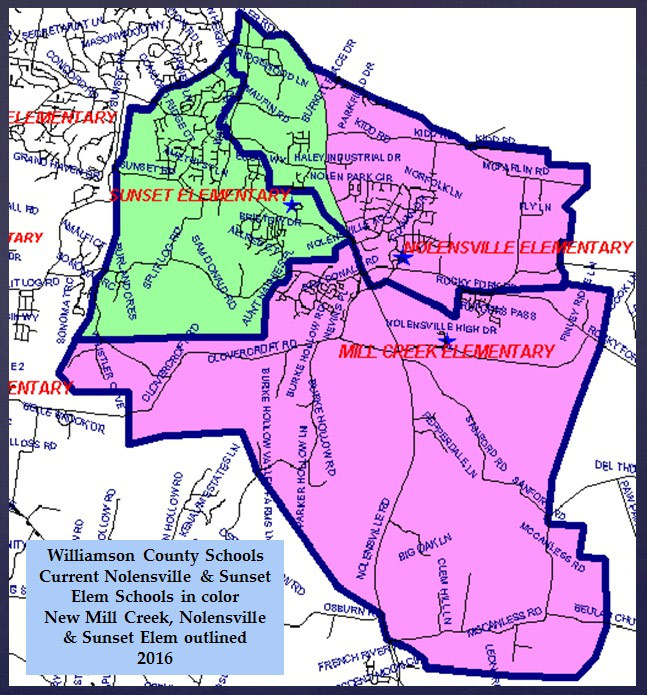
Williamson County Schools Policy Committee met Monday (April 7, 2014) evening with the full Board of Education to discuss zoning for the county’s newest schools planned for York Road: Mill Creek Elementary, Mill Creek Middle and Nolensville High. Superintendent of Schools Mike Looney provided renderings of the zoning boundaries, projected enrollment numbers and affected neighborhoods during the special-called work session.

  • Subdivisions north of Rocky Fork Road will remain zoned for Nolensville Elementary.
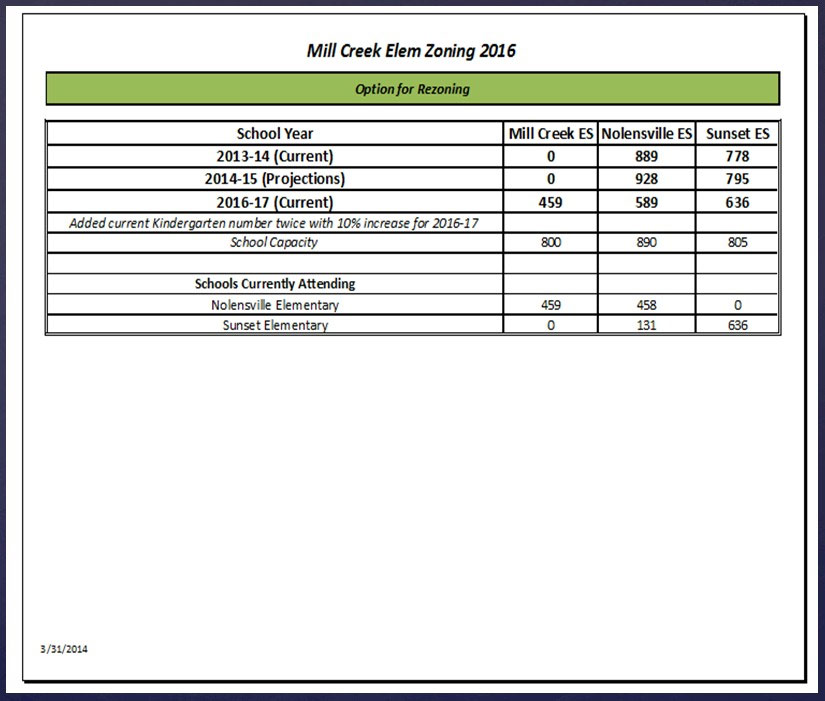
  • Mill Creek Elementary is expected to open in fall 2016 with a projected 459 students, with 589 in Nolensville Elementary and 636 in Sunset Elementary. Mill Creek’s capacity is about 800 students.
  • An expected 131 students will be moved from Sunset Elementary into Nolensville Elementary from Concord Forest, Catalina and Brittain Downs subdivisions. All students from the three neighborhoods will be rezoned; the neighborhoods are not split.
  • Calculations for elementary, middle and high school levels do not account for future growth or grandfathering.
  • There are no subdivisions split by the proposed zoning plans. However, future residential development may not take into account the zoning boundaries.


The zoning proposal to go before the school board for a vote on April 21 affects only those families impacted by the new Nolensville schools. The rezoning is not district-wide nor does it take into account any “domino affect” from moving students.

Looney will discuss rezoning in two public meetings on Thursday. The first will be from 11:30 a.m. to 1 p.m. at Nolensville Town Hall. The second will be from 5:30 to 7 p.m. in the Sunset Middle cafeteria.

Mill Creek Elementary School Zoning Proposal

Mill Creek Elementary School Zoning Proposal

April 8, 2014

Mill Creek Middle School Zoning Proposal

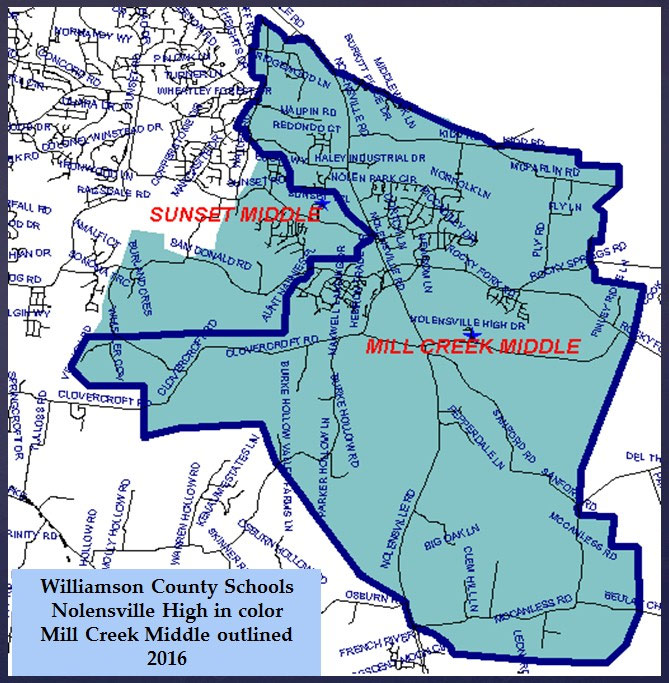
Williamson County Schools Policy Committee met Monday (April 7, 2014) evening with the full Board of Education to discuss zoning for the county’s newest schools planned for York Road: Mill Creek Elementary, Mill Creek Middle and Nolensville High. Superintendent of Schools Mike Looney provided renderings of the zoning boundaries, projected enrollment numbers and affected neighborhoods during the special-called work session.

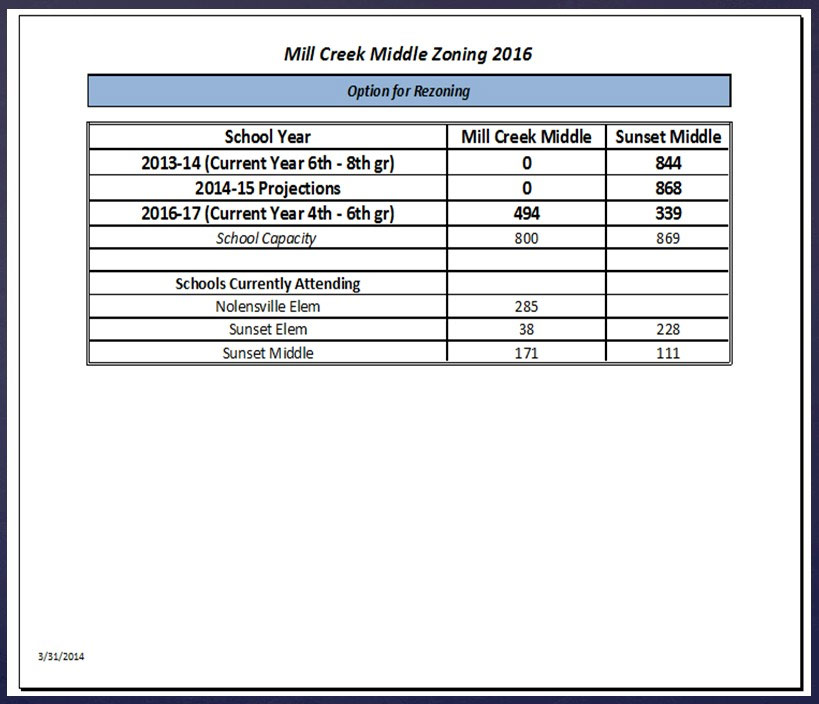
  • A projected 171 students will be rezoned from Sunset Middle to Mill Creek Middle, which shares a campus with Mill Creek Elementary.
  • Sunset Middle is proposed as a split middle feeder with approximately 65 percent zoned for Ravenwood and 35 percent to Nolensville High.
  • Mill Creek Middle will open with an expected 494 students, leaving 339 in Sunset Middle. Mill Creek’s capacity will be approximately 800 students.
  • Calculations for elementary, middle and high school levels do not account for future growth or grandfathering.
  • There are no subdivisions split by the proposed zoning plans. However, future residential development may not take into account the zoning boundaries.


The zoning proposal to go before the school board for a vote on April 21 affects only those families impacted by the new Nolensville schools. The rezoning is not district-wide nor does it take into account any “domino affect” from moving students.

Looney will discuss rezoning in two public meetings on Thursday. The first will be from 11:30 a.m. to 1 p.m. at Nolensville Town Hall. The second will be from 5:30 to 7 p.m. in the Sunset Middle cafeteria.

Mill Creek Middle School Zoning Proposal

Mill Creek Middle School Zoning Proposal

Mill Creek Middle School Zoning Proposal

April 8, 2014

Nolensville High School Zoning Proposal

Williamson County Schools Policy Committee met Monday (April 7, 2014) evening with the full Board of Education to discuss zoning for the county’s newest schools planned for York Road: Mill Creek Elementary, Mill Creek Middle and Nolensville High. Superintendent of Schools Mike Looney provided renderings of the zoning boundaries, projected enrollment numbers and affected neighborhoods during the special-called work session.

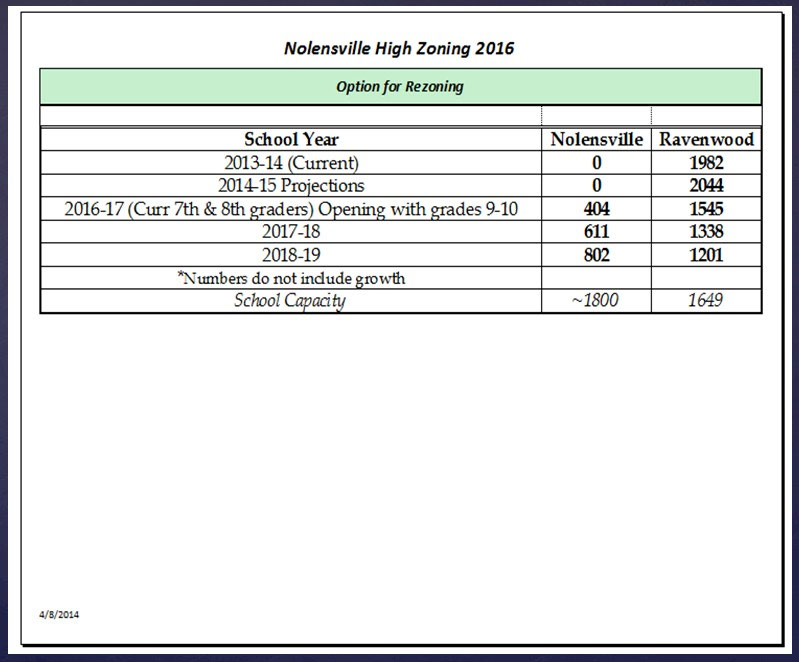
  • Ravenwood High enrollment is expected to decrease from 2,044 to 1,545 students the first year of Nolensville High’s opening in fall 2016.
  • Nolensville High will open with freshmen and sophomore classes only and a total of 404 students. The junior class will be added in fall 2017 with an expected 611 students.
  • The new high school’s first year with all four classes will have an expected 801 students. Nolensville High’s capacity will be about 1,800 students.
  • Neighborhoods zoned for Ravenwood High are Taramore and Tuscany Hills as well as future developments Glen Abbey and Morgan Farms.
  • Neighborhoods zoned for Nolensville High are Benington, Bent Creek, Brittain Downs, Burkitt Place and Village, Catalina and Silver Stream Farms as well as future developments Cromwell, Sherwood Green and Summerlyn.
  • Brookfield subdivision remains in the RHS zone, as does Southern Woods, Inglehame Farms and Sonoma. Breezeway and Chardonnay near Clovercroft Elementary are also not impacted by the rezoning.

Calculations for elementary, middle and high school levels do not account for future growth or grandfathering.
There are no subdivisions split by the proposed zoning plans. However, future residential development may not take into account the zoning boundaries.

The zoning proposal to go before the school board for a vote on April 21 affects only those families impacted by the new Nolensville schools. The rezoning is not district-wide nor does it take into account any “domino affect” from moving students.

Looney will discuss rezoning in two public meetings on Thursday. The first will be from 11:30 a.m. to 1 p.m. at Nolensville Town Hall. The second will be from 5:30 to 7 p.m. in the Sunset Middle cafeteria

Nolensville High School Zoning Proposal

Nolensville High School Zoning Proposal

Nolensville High School Zoning Proposal


March 19, 2014

Best Real Estate Agency in Williamson County

Bob Parks Realty Wins Sizzle Award


Bob Parks Realty Wins 2014 Sizzle Awards

Well, the votes are in and Bob Parks Realty is the winner of the 2014 Sizzle Award for "Best Real Estate Agency in Williamson County"!  These awards are sponsored by The Williamson Herald, FranklinIs.com, and Southern Exposure Magazine.

I'm thrilled to be a member of the Bob Parks Realty family and am proud that our agency continues to shine in the eyes of the residents of Williamson County!

March 19, 2014

What not to do before closing on a home

What not to do before closing on a home

So, you've cleared the pre-approval process for that PERFECT new home that you've been dreaming about... and may have already found.  You may already even have established a contract to purchase it.  Wow - things are really cruising along.  Life is good!  The excitement is so fun you can hardly stand still.  Oh, and guess what... things are going spectacularly for your spouse's career too.  There's talk about a change in position for them at work and it's sounding pretty great.  You yourself are already making plans for the new home and all the things you'll need to finish it out.  What?  It's July 4th weekend and you see plenty of furniture and appliance ads in the paper.  YES!!!  Just what you've been waiting for!  Things are rockin' along so well that you really don't let the break-down of your car bother you much.  You've been considering getting a new one for a while, so you may go shopping for one this weekend while you're out looking at furniture and appliances for the new home.

Okay, let's do a quick reality check on how many ways the above is going to ruin your chances of actually getting into that new dream home.  When home buyers go through the "pre-approval" process, that's exactly what it is.... PRE.  It's not a guarantee or "done deal".  Some buyers may think that once that's done they have cleared all the hurdles of getting their financing all lined up, but that's far from reality.  Pre-approval is simply the first stage of the process.  Once you've selected a property, buyers then go through a formal approval for the financing required for the purchase.

Wooohoooo!!!! you say?  You've already made it to that point?  Oh, so it's time resume the top paragraph and get those appliances, furniture, and new car?  WRONG!  Again, that could be like saying bye-bye to that new home.  You see, when your approval is processed, it's kind of like a snapshot of where you stand financially.  Your lender then uses that as part of their decision on your qualifications to receive financing.  What some buyers don't realize is that there's another snapshot coming... closer to closing.  Lenders don't just look once and wave their money-wand and you're good to go.  They are going to follow you all the way to closing.

What does all that mean?  Exactly this:  The lender used a snapshot to approve you.  If that snapshot varies too much between approval and closing, that change could jeopardize your borrowing ability.  When the lender analyzed your snapshot, they saw your level of available funds to pay them back.  Fast-forward to those furniture and appliance ads.  If you go purchase furnishings for that home, you now have fewer available funds to repay the lender and that could be a deal-breaker for them.  Same with a car purchase.  ANYTHING that substantially changes your distribution of your income or assets could alter your borrowing ability, or could cause a delay while the lender reevaluates your ability to repay the loan.

But what about job changes?  Those can have the same affect as increased expenditures leading up to closing.  A change in job can make a lender take another look.  It's not a clear-cut case because obviously a lot of people take new jobs, relocate, and buy new homes, but you'll want to address your situation on the front end.  Many times, job changes in the same industry are looked upon more favorably than career changes.  Check with your lender though for specifics to your situation.

In summary, you want your position to remain as undisturbed as possible during the application, approval, and closing process.  Here is a list of tips to serve as a reminder.

Things NOT To Do Before Closing on a Home

  • Do not change jobs or become self-employed (check with lender if relocating)
  • No vehicle purchases
  • Keep credit cards current and do not make any unusual purchases (especially large ones)
  • Do not spend savings intended for down payment
  • No large purchases such as furniture and appliances
  • Do not run credit reports (you or anyone else other than your lender)
  • Do not deposit large sums of money into your accounts (other than payroll)
  • Do not change bank accounts
  • Do not co-sign for anyone on anything
Posted in Buyers
March 18, 2014

The Home That Got Away

Has continued shopping ever cost you "the one you love"?

As consumers, we all shop.  It may be for groceries, clothes, tools, cars, and yes, even homes.  We're usually on the quest to find "just the right one" and that one is different for each of us.  We all search under different criteria and seek a unique set of characteristics in the item we are purchasing.

That being said, have you ever done this or watched a friend or family member do this?  Shopped for an item, found the one that was PERFECT... and didn't buy it.  Could have, but didn't.  Instead, the shopping continued.  Okay, let's stop there for a second.  Went shopping, found the perfect one, but kept shopping.   Hmmm...  Why would any of us keep shopping if we found the perfect one?

There are lots of theories on that, but I'll toss out a few for consideration:

  • We think our discovery is the "perfect one", but deep inside there's doubt
  • Even though we're sure it's the "perfect one", we think there's a better one out there.
  • We think there's a better deal somewhere else other than where we are and with the one we want.
  • If we find it too quickly, then it must not be "the one"
  • If it takes a while to find it, we might be "settling" from being tired of shopping

The list could go on, but most of them boil down to some sort of doubt that it's actually the "perfect one", so rather than commit, the shopper continues.  I've seen this in people shopping for a lot of different things.  Some big; some small, so it's not really as much about the price level of the item as it appears to be more about doubting the one in hand and the hope for one that has yet to be discovered.

Well, there's a saying that "a bird in the hand is worth two in the bush".  For those who have not heard it, it basically means that there is value to what's real and in front of you compared to something that is hypothetical and may never happen.

How does that relate to real estate?  Here's how.  A buyer and their Realtor do extensive research for homes that meet the buyer's criteria.  They view a nice collection of them.  One of them excites the buyer and the times the words "I love it" are used cannot even be counted.  The buyer loves the home!  Everything about the home matches the buyer's criteria (as closely as possible).  The agent then asks the buyer "So, do you want to make an offer on it?"  Response  "Well, I think we want to keep looking and see what else is out there". 

Let's review.  The buyer found a home that was perfect, but passed on it to see what else "could" be out there.  What may have been over-looked was that the market research already showed what else "is" out there.  What can possibly happen in this scenario is that the home the buyer loves may be gone when they want to return to make an offer on it.

There's an important differentiation to be made in the shopping examples.  When we go shopping for retail products, groceries, cars, tools, clothes, shoes, etc., if we decide to pass on a purchase to see what else is out there, we're pretty confident that should we later conclude that we were right... it was the perfect one, we can return to purchase the item. Why?  Because retail products are produced in mass.  Chances are high that 1 million of those shoes, boxes of cookies, power drills, jeans, or whatever were produced, so there are plenty for us to return to.  Guess how many of that home "you love" are available.  Yep... probably one.

When you find the one you love and it's nearly perfect, don't let it get away. 
 

Posted in Real Estate
March 5, 2014

Home Buying With A Garage

Include The Garage In Your Home Search

GaragesWhen it comes to home shopping, it's easy to concentrate on the most common aspects of a home such as the number of bedrooms & bathrooms, the home's finishes, and the kitchen and appliances.  What's somewhat easy to overlook during the shopping process is the garage (assuming the shopping is being done where garages are part of the purchase).  Listings often have the garages listed in terms of the number of cars they can hold, and while visiting homes for showings buyers many times only glance in the garage area.

Let's take a closer look at garages and how they can differ.  You might just look a little more closely at the next showing you attend.

Here's a question:  How big is a garage?  Most people will probably answer something like 1-car, 2-car, etc., but even though a garage appears to hold that number of cars, will it?  That may partially depend on what else will be in the garage, and what type of vehicles you own. 

Garages can vary substantially in their actual dimensions.  Some may hold two family-size cars, but perhaps not two trucks. They may hold two small sports cars, but not two SUVs.  That's assuming we're talking about a garage with nothing else in it which may be how yours will be.  Others may need to put additional items in their garage like mowers, yard equipment, bicycles, strollers, camping equipment, etc.  Another thing to consider is what else is already in a garage.  Some home layouts will have water heaters in the garage which can consume some of its square footage.  Additionally, some garages require steps leading to the home.  These too can consume some of the garage's space.

Here are some things that may help you look differently at garages during your home visits:

  • In addition to the number of car capacity of a garage, actually measure it to determine the sq.ft. it includes
  • Compare the garage dimensions to the vehicles you own
  • Account for shelving or storage that you may want to install.  This often will subtract several feet from the dimension.
  • If the garage has stairs leading to the home, consider that relative to how often you'll travel those stairs and carry items into the home (i.e. grocery shopping).
  • Look for things that are installed in the garage that may affect your use.  Items like water heaters, central vac systems, and stairs that may consume some of the square footage.
  • Check the garage ceiling height for options of over-head storage
  • Evaluate the number of garage doors for your way of living.  Garages can include doors that are 2-car widths and doors that are 1-car widths.  Using multiple 1-car width doors means you'll have a post between them.  If you're a project person and often move wide items into your garage, your preference may be to have a garage configured with wider doors.
  • Consider if you regularly move recreational vehicles in and out.  Vehicles such as boats, trailers, quads, etc.  That too may affect the layout and size garage you desire.
  • Calculate your required garage capacity.  This not only includes how many cars you WANT in the garage, but also how many cars MUST be in the garage.  Some HOAs require that all cars must be parked inside.  Some HOAs also regulate the parking of recreational vehicles.  Think about this not only now, but in the future.  If you have children that will soon have cars, compare that scenario with any parking requirements of the HOA and see how that compares with any garage/home that you're considering.

These are a few tidbits that may help you evaluate the garages during your home search.  While visiting homes, walk the garage and compare it to how you live.

March 3, 2014

What is a Coffered Ceiling?

Coffered Ceilings - What are they?

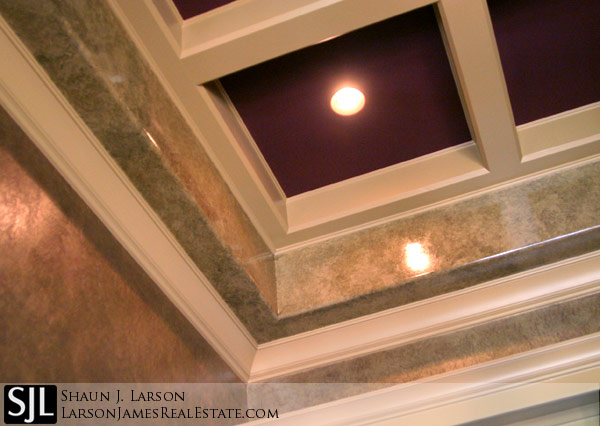
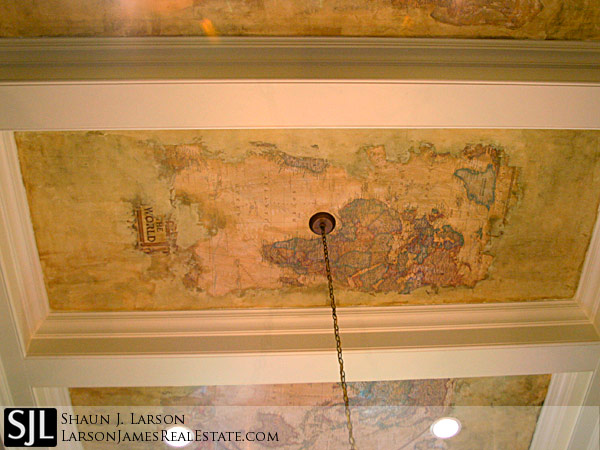
In construction, a "coffer" refers to a sunken panel, so a coffered ceiling is a design that incorporates a series of these panels.  The most common shapes for coffers are square, octagon, diamond, and occasionally you'll see unique shapes that don't adhere to the standards.  A ceiling is usually referred to as being coffered when these panels consume all or nearly the entire ceiling of the room.  Having one large area that is different in elevation normally falls into another category such as a tray or vault.  Here are some examples of coffered ceilings.

Coffered Ceiling with Crown Molding Finishes

fancy coffered ceiling


Stain Grade Coffered Ceiling

stained coffered ceiling


Coffered Ceiling with Faux Finishes

fauxed coffered ceiling


Coffered Ceiling with World Atlas

coffered ceiling with atlas


March 2, 2014

What is a Circulating Hot Water System?

How long do you have to wait for hot water?

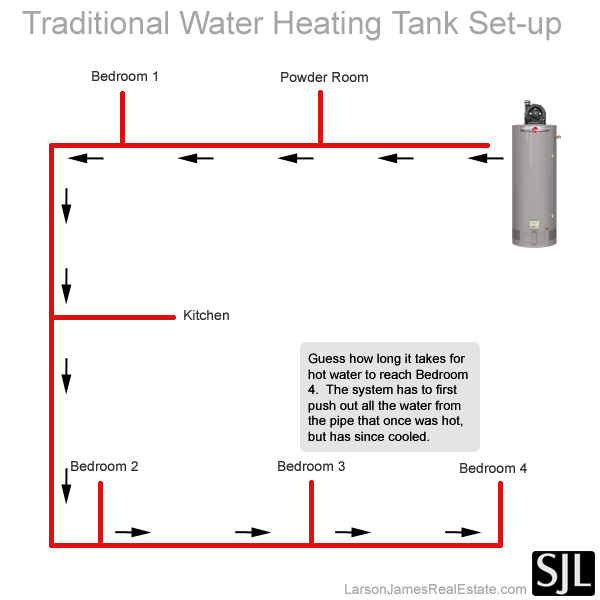
Let's do a quick run-down of how a traditional water tank heating system works.  Cold water is fed into your tank from your supplier (city supply or well).  Inside the water tank are some heating elements that heat the water to the temperature that your thermastat is set for.  Another line leaves the water tank and supplies your home with hot water.  This line traditionally is a one-way line meaning that it leaves the tank and runs through the home and eventually dead-ends.  See digram below.  Each time a faucet is opened, water exits the faucet and more is pushed in from the water tank end (which is hot).  If the faucet hasn't been used in a while, the water coming out is cold because it has been sitting in the pipe with nowhere to go.  Now, you have to wait for the cold water to run out (and down the drain) before the water eventually becomes warm/hot.

water heating tank diagram

This has been the common method for many years.  For those who have ever lived in a ranch style home, you know that the distance from the water heater to the end of the line (often the opposite end of the home) can be quite long.  The water remaining in the line after use eventually cools, so the next time you turn on the hot water at the far end of the home, the system has to first push out all that (now cold) water before you receive any hot water.  That cold water is now wasted water that goes down the drain.

What is Circulating Hot Water?

Have you ever wondered why when you're at a hotel of 100 rooms, the hot water comes out almost immdiately, but at your 4 bedroom home, you wait for possibly minutes?  Here's why.  Remember above when I mentioned that your system has to push out all the old hot water (now cold) before you receive hot?  The amount of that depends on the length of the pipe run from your water tank to the outlet you're opening up.  In the case of a hotel, they shorten that distance by virtually moving the hot water source closer to the faucets.  What", you say.  They put hot water tanks all over the hotel.  Well, that would be one way, but here's another.  Instead, the main source generating the hot water may be in one or several locations, but they continuously pump that hot water through a loop pipe (circulating).  Then, short runs of pipe are connected from the loop to the faucets.  The result is that when you turn on a faucet, only a short pipe's worth of cold water (previously hot) has to be pushed out.  The delivery of hot water time is reduced from possibly minutes down to just seconds.  See diagram below.

circulating hot water system

Using the ciculating hot water method, the dead-ended route is turned into a loop and a small circulating pump is installed the continuously pushes hot water through the loop.  The connections from the loop to the faucets are then short runs - often just a few feet, so when you turn on any faucet wanting hot water, you are only waiting literally a few seconds.

Well, that's what circulating hot water is.  Once you've used it, it's hard to go any other route (in my opinion).  Even with the newer tankless systems, the hot water still starts at the location of your heating unit, to that's still using more of a traditional system that has to push out all the cold water from the pipes before you receive hot.

Check it all out and make the decision about what's best for you.  To learn more about tankless water heater systems, here's a link.

March 1, 2014

Tankless Water Heaters vs Traditional Tank

Deciding Between Tankless and Tank Hot Water Systems

You're about to go into the new construction phase, or perhaps your tank has tanked and you're checking out your options.  Maybe you're rennovating and hot water supply is on the list.  You've heard tidbits of info along the way from friends, family, or maybe your home store, but are still uncertain which way to go with your project.  At the end of this,  you still may be uncertain but you may have some additional information to help with your decision.

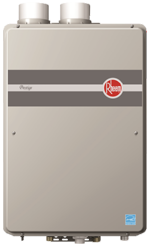
tankless water heaterWhat does and doesn't a tankless hot water system provide?
While talking with people who are considering a tankless system, I have discovered a common thread that often connects them.  They tend to equate tankless with endless, but what is "endless"?  Now it's time to clarify this important aspect:  What is "endless"? 

What does "endless hot water" mean?

Say, I give you one million post-it notes and ask you to stick one on each car that drives by you on a 1-lane road.  Gentlemen, start your engines!  The cars start driving by slowly and you start sticking those post-its.  One per car.  You're doing great!  Let's speed up the cars.  Whew... you're still getting it done, but on the edge of missing some.  Let's speed up the cars!  Oh no!  Now, some cars are going by without post-it notes on them.  Your missing some!  Let's speed up the cars!  Ohhhh boy!  Lots of cars are being missed now.  In fact, most are going by without post-its on them. STOP the cars! The system is breaking down.

Translated to heating your water:  Let's make the cars the water, the road is the water pipe, you are the tankless unit, and the post-its are heat.  As the water flows through the tankless unit, heat (post-its) is being applied to it.  Guess what happens if the water flows through too quickly?  That's right.  Not all of it can be heated because it's going by too quickly for the ability of the tankless unit to heat it - just like cars going by too quickly for you to apply post-its.  Solutions:  1) slow down the water, or 2) get a bigger heating unit (similar to you getting more people helping you water heating tankstick post-its on cars).  A third option is also to consider multiple tankless units in several locations within your home.  Which solution can or should be applied to your application (should you decide to use tankless)?

Let's apply the above to your home.  The amount water demand you'll have - and need to heat - depends on your scenario.  Are you a single person who uses very little water or are you a family of six with showers, clothes-washers, dishwashers, etc. running regularly and simultaneously?  Those are very different scenarios in regard to the demand on your system to be able to heat water within a specific amount of time.  If you have the latter situation, it's very possible that you could exceed the capacity of some tankless units, so the unit could possibly need to slow down the amount of water delivered in order to ensure it's actually able to heat it all as it goes through the unit.  How that affects you will depend on how much your demand relates to the volume the unit can process.

In summary, "endless hot water" means that a tankless unit can heat water forever as it passes through the unit, but "endless" does not mean there is an unlimited volume of hot water for any specific amount of time.  For example,  A unit may be able to supply hot water for one month-long shower, but perhapd not for 3 10-minute showers that are running simultaneously.  This is a unit-specific measurement that needs to be researched based on your needs.

Pros & Con Comparison of Tankless Water Heaters & Tanks

Pros of Tankless

  • Saves installation space
  • Estimated life is 20+ years
  • Longer output of hot water

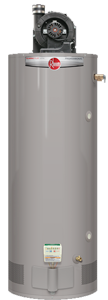
Pros of Traditional Tank

  • Lower up-front installation cost
  • Possibly higher volume over a shorter duration
  • Fewer parts to fail
  • Hot water available during power outage until tank cools or runs out


Cons of Tankless

  • Higher up-front cost
  • Often higher to repair
  • Potentially lower output for a specific duration
  • Power requirement may not be in an older existing home requiring it to be added.
  • No hot water during power outage
  • Should be regularly maintained/flushed
  • Ultra-low flow levels may not trigger unit on
  • Volume may be affected by the original temp of your ground water coming in

Cons of a Traditional Tank

  • Estimated life is 10 years
  • Requires more installation space
  • Consumption may eventually out-run tank volume (although tank will begin heating when temp falls below setting)

Because of the diverse needs of hot water systems, there are actually hybrid systems available now that combine tanks and tankless heaters.  If one or the other does not match your situation, a hybrid may be worth investigating.

No matter your project, be sure to consult professionals in your area who are well-versed in the latest options, and who are experienced in matching systems with your available utilities and your volume needs.  Only then, will you be able to decide which system is best suited for your project.